มาร์ติน หว่อง

ผู้เขียนสำเร็จการศึกษาระดับปริญญาเอก. สาขาวิทยาศาสตร์ชีวภาพจาก China Agricultural University, เป็นวิทยากรด้านชีววิทยาที่มีชื่อเสียงในประเทศจีน, และเป็นผู้ก่อตั้ง DTE. ได้รับการยอมรับด้วยรางวัล, เขามีส่วนร่วมอย่างแข็งขันในด้านวิชาการและเป็นที่ปรึกษาให้กับนักเรียนรุ่นต่อไป, บรรลุความสำเร็จทั้งในด้านวิชาการและสังคม.

Conclusion Currently, gene expression studies mainly rely on qRT-PCR technology, commonly using reference genes to correct for errors introduced during sample detection. Earlier research generally assumed that housekeeping genes essential for maintaining cellular activities exhibit stable expression patterns under different conditions, being regarded as universal reference genes. However, with the advancement of high-throughput sequencing, more studies suggest that housekeeping genes are not always stable. Optimal reference genes often vary significantly among different species under different conditions. When studying the expression of target genes, using previously published reference genes without validation can lead to biased results. เพราะฉะนั้น, it's essential to reselect reference genes. In the case of the Cowpea weevil, it was found that the pairwise variation value Vn/n+1 in the GeNorm software's pairwise difference analysis was consistently less than the default value of 0.15 across different developmental stages and various tissues of adult weevils. Therefore, there is no need to include a third reference gene for data correction; the most suitable number of reference genes is two. Comprehensive assessment through △Ct, GeNorm, NormFinder, BestKeeper, and RefFinder online tool suggests using β-Act and β-Tub as internal reference genes for gene expression studies across different developmental stages of the Cowpea weevil. Similarly, for various tissues in adult weevils, β-Tub and α-Tub were recommended as internal reference genes. RPL40 was evaluated as relatively suitable for use as one of the internal reference genes in different tissues of adult Cowpea weevils. However, it appeared to be one of the least stable genes among different developmental stages of the weevils. ในทางกลับกัน, GAPDH showed the least stability in expression among different tissues of adult Cowpea weevils and was also unsuitable as a reference gene for gene expression studies in different developmental stages of the weevils. Similar results were observed in other Coleopteran insects such as Colaphellus bowringi and Sympiezomias velatus (Tan et al., 2015; Li et al., 2018). This study provides accurate and reliable internal reference genes for accurately analyzing gene expression levels in different developmental stages and varioอย่างไรก็ตามues of the Cowpea weevil using qRT-PCR. However, whether these findings apply to other experimental conditions requires further investigation. The expression of internal reference genes in the Cowpea weevil varies significantly under different experimental conditions. This study utilized five methods to evaluate the expression stability of eight candidate internal reference genes in different developmental stages and various tissues of the Cowpea weevil. The results suggest that GeNorm software calculated V2/3 gene pairwise difference values under different conditions, all of which were below the ดังนั้น of 0.15. Therefore, the optimal number of reference genes for studying relative gene expression is two. โดยเฉพาะ, for different developmental stages of the Cowpea weevil, it is recommended to use β-Act and β-Tub as internal reference genes. ในขณะเดียวกัน, for various tissues in adult weevils, β-Tub and α-Tub are recommended as internal reference genes.

การวิจัยการเลือกยีนอ้างอิงสำหรับ PCR เชิงปริมาณฟลูออเรสเซนต์แบบเรียลไทม์ในมอดถั่วพุ่ม

About the research Currently used internal reference genes in qRT-PCR include various genes like ubiquitin-conjugating enzyme (UBC), ribosomal RNA (rRNA),

การวิจัยการเลือกยีนอ้างอิงสำหรับ PCR เชิงปริมาณฟลูออเรสเซนต์แบบเรียลไทม์ในมอดถั่วพุ่ม อ่านเพิ่มเติม»

อุตสาหกรรมการทดสอบกรดนิวคลีอิกที่คาดว่าจะเติบโตคือ 6.8% ในจาก 2023 ถึง 2033

อุตสาหกรรมการทดสอบกรดนิวคลีอิก: Rapid Growth Driven by Technological Advances and Increasing Demand for Precision Diagnostics Nucleic acid testing

อุตสาหกรรมการทดสอบกรดนิวคลีอิกที่คาดว่าจะเติบโตคือ 6.8% ในจาก 2023 ถึง 2033 อ่านเพิ่มเติม»

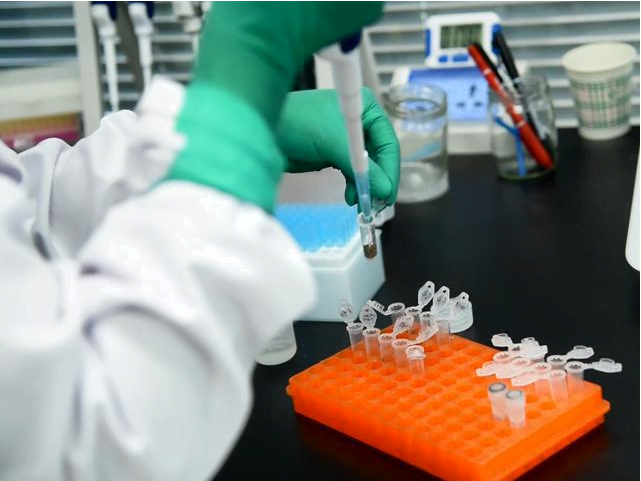
วิธีดำเนินการตรวจ DNA เพื่อระบุนกพิราบตัวผู้และตัวเมีย? นี่คือกระบวนการที่ละเอียดที่สุด

Introduction Compared to conventional sex identification methods for birds, เช่น การตรวจสอบเสื้อคลุม, การส่องกล้อง, การวิเคราะห์สเตียรอยด์, และคาริโอไทป์, PCR-based sex
วิธีดำเนินการตรวจ DNA เพื่อระบุนกพิราบตัวผู้และตัวเมีย? นี่คือกระบวนการที่ละเอียดที่สุด อ่านเพิ่มเติม»

สังเกตการศึกษาและความคิดของทฤษฎีการสกัดดีเอ็นเอ

บันทึก: การศึกษาและแนวคิดเกี่ยวกับทฤษฎีการสกัดดีเอ็นเอ

ขั้นตอน qPCR สำหรับการตรวจจับ Chlamydia เกี่ยวข้องกับสองขั้นตอนหลัก: การสกัดดีเอ็นเอและการขยายและการตรวจสอบ DNA ที่ตามมา.

บันทึก: การศึกษาและแนวคิดเกี่ยวกับทฤษฎีการสกัดดีเอ็นเอ อ่านเพิ่มเติม»
นก-ดีเอ็นเอ-sexing

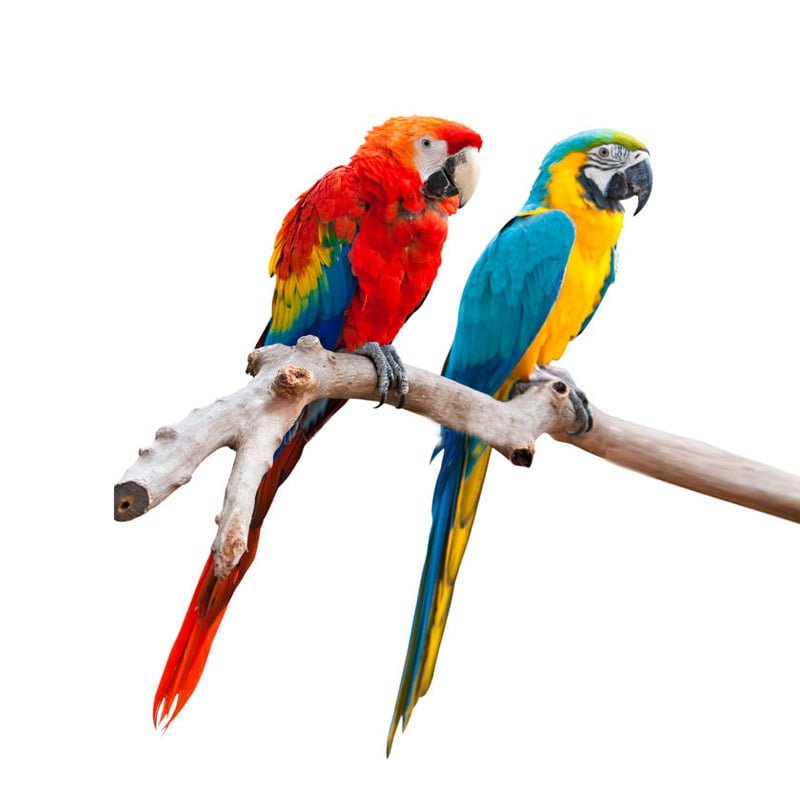
ปลดล็อคจีโนมนก: การทดสอบ DNA ของนกเพื่อมีเพศสัมพันธ์ & การตรวจติดตามสุขภาพ (คีย์กรดนิวคลีอิก)

Introduction Determining the gender of birds is important for avian breeders, โปรแกรมการอนุรักษ์, และเจ้าของ. อย่างไรก็ตาม, many bird species lack
ปลดล็อคจีโนมนก: การทดสอบ DNA ของนกเพื่อมีเพศสัมพันธ์ & การตรวจติดตามสุขภาพ (คีย์กรดนิวคลีอิก) อ่านเพิ่มเติม»

PCR แบบเรียลไทม์ดีกว่า PCR แบบดั้งเดิมอย่างไร?

ความแตกต่างระหว่าง PCR และ PCR แบบเรียลไทม์คืออะไร ?

Introduction Polymerase chain reaction (พีซีอาร์) ปฏิวัติการวิจัยทางการแพทย์เมื่อมีการคิดค้นในช่วงทศวรรษ 1980. This technique takes advantage of

ความแตกต่างระหว่าง PCR และ PCR แบบเรียลไทม์คืออะไร ? อ่านเพิ่มเติม»

การทดสอบ PCR สำหรับ

อธิบายการทดสอบ PCR: ทุกสิ่งที่คุณต้องรู้เกี่ยวกับเครื่องมือวินิจฉัยที่สำคัญนี้

การทดสอบ PCR คืออะไร? ปฏิกิริยาลูกโซ่โพลีเมอเรส (พีซีอาร์) testing refers to a revolutionary technology that enabled exponential amplification and

อธิบายการทดสอบ PCR: ทุกสิ่งที่คุณต้องรู้เกี่ยวกับเครื่องมือวินิจฉัยที่สำคัญนี้ อ่านเพิ่มเติม»

ตะกร้าสินค้า
เลื่อนไปด้านบน